Homeopathy is a system of natural medicine used by millions of people worldwide. Consider homeopathy if you are looking for a healthcare option that is:
Colds and Flus? - There's a remedy for that. Fever or Headache? - There's a remedy for that. Queasy stomach? - There's a remedy for that TOO!
The National Center for Homeopathy has hundreds of resources to help you learn how to stay well with homeopathy. Download our free resources, read our magazine, attend our conference.
And make an investment in your family’s health – become an NCH member today!
Learn YOUR way with the National Center for Homeopathy!
REGISTER TODAY!
A Homeopathy Conference for Everyone
Learn how to stay well with homeopathy at the annual Joint American Homeopathic Conference (JAHC). JAHC 2024 will be April 19 – 21, 2024 and live-streamed online for virtual attendees.
Learn from over 50 experts on topics such as first aid, insomnia, women and children’s issues, back pain, skin concerns, mental wellness and more! For beginners, students, and seasoned professionals, this is the premier event for all interested in homeopathy. No matter where YOU are in your homeopathy journey, JAHC is an amazing resource for high-quality education and a special opportunity to connect with like-minded people.
JAHC is Deepening Connections
JAHC is the premier event where homeopathy enthusiasts from around the world meet and connect! It brings together our community for multiple days of high-quality education, offers a warm welcome to newcomers, plays an important role in continuing education, provides a place for professionals to connect, collaborate and make life-long bonds, while giving companies big and small a place to network and increase awareness about their products and services.
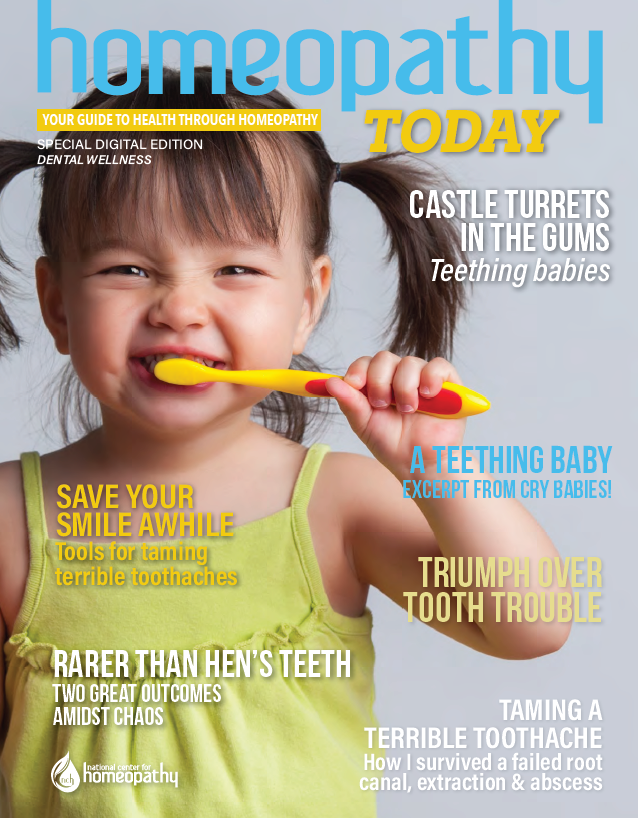
"Homeopathy Today",
The World's Premiere Homeopathy Magazine
NCH produces the quarterly magazine “Homeopathy Today”, a premiere resource for everyone interested in homeopathy. Available through membership with NCH, the magazine features articles on 21st century health concerns written by homeopathy experts from around the world.
The National Center for Homeopathy (NCH) provides education and builds awareness while advocating for access to homeopathy as an effective and affordable system of medicine. Your NCH membership provides access to exclusive homeopathy education resources.
NCH members have access to downloadable educational resources for common health concerns. In addition, leading homeopathy companies provide discounts and coupons exclusively available to NCH members.
Join us in promoting wellness and health through natural medicine. Since 1974, The National Center for Homeopathy’s mission has been to provide quality homeopathy resources and empower those seeking to stay well with homeopathy. Your donation helps connect 1000’s of people to homeopathy and wellness.